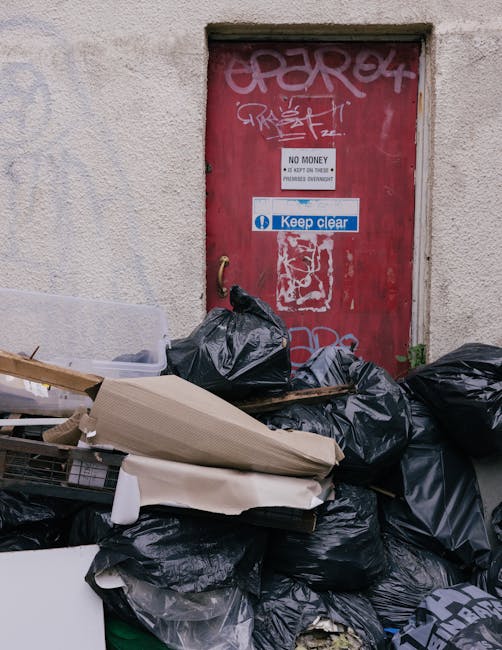
Southwark Council Fines for Fly-Tipping and How to Avoid Them

If you live, work, or manage property in Southwark, fly-tipping is one of those problems that can go from annoying to expensive very quickly. A single bag left beside a bin, an old sofa dumped "just for now", or a builder's rubble left outside the wrong place can trigger enforcement action, a fine, and a lot of hassle. This guide on Southwark Council Fines for Fly-Tipping and How to Avoid Them explains the risk in plain English, shows how fly-tipping is usually handled, and gives you practical ways to stay on the right side of local rules.
We will also look at safe disposal options, the mistakes people make without realising, and how to choose a proper clearance route when you need rubbish gone fast. Truth be told, most fly-tipping situations start with rushed decisions, not bad intentions. That is the bit worth fixing.
Why Southwark Council Fines for Fly-Tipping and How to Avoid Them Matters
Fly-tipping is not just an eyesore. It affects pavements, alleyways, estates, front gardens, business yards, and loading areas. In busy parts of London, rubbish left on a street corner can attract more dumping within hours. One mattress becomes a pile of bags, and suddenly everyone on the road is asking who is responsible.
For residents, the real concern is simple: a careless disposal decision can lead to enforcement action. For landlords, managing agents, tradespeople, and business owners, the risk spreads further because waste can be traced back to the person who arranged it. That means receipts, paperwork, and clear disposal arrangements matter more than most people think.
There is also the practical side. If you have ever tried to drag broken furniture through a narrow staircase at the end of a long day, you already know why people cut corners. But local authorities do not usually treat convenience as an excuse. The safer route is to plan the removal properly and keep evidence that the waste was handled legally.
Key takeaway: the cheapest-looking disposal option is often the one that creates the biggest risk later. A proper waste trail, a lawful collector, and a little planning go a long way.
If you are dealing with mixed household waste, a one-off bulky item, or a larger clear-out, it is usually better to use a proper service such as rubbish removal or waste clearance than to gamble on an informal drop-off. That is especially true when items are awkward, heavy, or likely to spill into common areas.
How Southwark Council Fines for Fly-Tipping and How to Avoid Them Works
In practical terms, fly-tipping enforcement usually starts when waste is found in a public or semi-public place where it should not be. Officers or investigators may look for evidence linking the waste to a person, household, business, or contractor. That can include labels, delivery notes, letters, packaging, CCTV, or even the way the rubbish is bagged and presented. Small clue, big consequence.
For a resident, a waste bag left outside the wrong place can be treated differently from a formal collection issue, but there is still no comfort in assuming it will be ignored. For a business, the standard is stricter. Duty of care expectations mean commercial waste needs to be handed to the right sort of carrier, and records should be kept. If the waste can be linked to you, the council may look at whether you took reasonable steps to dispose of it properly.
Some people assume fly-tipping only means a sofa dumped in a lay-by. Not quite. It can also cover tipped builder's debris, garden cuttings, old office furniture, or black sacks left on verges and pavements where collection is not authorised. A pile of mixed waste outside a property line is enough to cause problems. The details matter, a bit more than most people expect.
So how do you avoid it? By controlling the chain of disposal:
- Know what waste you have.
- Separate reusable items from true rubbish.
- Choose a lawful collection route.
- Keep proof of handover or booking.
- Never assume someone else will "sort it out later".
If you are clearing a flat, house, garage, or office, using a structured service such as flat clearance, house clearance, or office clearance makes it much easier to show that the waste was handled properly. That paper trail is not exciting, but it is useful when you need it.
Key Benefits and Practical Advantages
Avoiding fly-tipping fines is the obvious benefit, but there are a few more that people often overlook.
- Less risk of enforcement action: if there is no unlawful dumping, there is nothing to investigate.
- Cleaner shared spaces: front paths, service yards, and communal entrances stay usable.
- Better landlord and tenant relations: fewer disputes over who left what, and where.
- Safer handling of heavy or sharp items: broken furniture, glass, and builders' waste are not left in unsafe piles.
- More control over costs: a planned collection is usually cheaper than paying for a problem after the fact.
There is also a reputational benefit for businesses. Nobody wants a shopfront or office entrance with a heap of unmanaged rubbish outside. It looks messy, yes, but more importantly it suggests the business does not take compliance seriously. In some sectors, that perception sticks.
For larger clear-outs, a service like business waste or builders waste is often the sensible route because it keeps materials organised from the start. You do not want mixed materials scattered around a corridor while everyone argues over who booked what. Been there, seen that, not fun.
Who This Is For and When It Makes Sense
This topic matters to more people than you might think. Fly-tipping rules affect anyone who creates waste, but some groups feel the pressure more strongly.
- Homeowners and tenants: especially if you are moving, downsizing, or replacing furniture.
- Landlords and letting agents: where waste appears after a tenancy ends or during a clear-out.
- Tradespeople and contractors: particularly when handling renovation debris, packaging, or offcuts.
- Office managers: for desks, chairs, filing cabinets, and general business waste.
- Families clearing bulky items: old wardrobes, sofas, garden waste, or garage clutter.
It also makes sense if you are dealing with a one-off event: an end-of-tenancy move, a refurbishment, a bereavement clear-out, or a business relocation. Those situations are stressful enough already. The last thing you need is a rubbish-related headache following you around for weeks.
Some people ask whether they can simply leave waste with a neighbour, a friend, or someone "who knows a guy with a van". The short answer is: only if you are absolutely sure that waste will be handled lawfully, with proper disposal. If not, it is safer to book a legitimate collection and keep the record. If the job involves furniture, you may find furniture disposal and sofa removal particularly helpful.
Step-by-Step Guidance
If you want to avoid fly-tipping fines, the process does not need to be complicated. It just needs to be deliberate. Here is a straightforward way to approach it.
- Identify the waste type. Household rubbish, green waste, furniture, office items, or construction debris all need slightly different handling.
- Separate what can be reused. Good furniture, unopened items, and working appliances should not be treated as rubbish if they still have value.
- Estimate the volume. A few bags is very different from a garage full of mixed items. This decides whether a small collection or full clearance is more suitable.
- Choose a proper removal method. Use a lawful collection or clearance route rather than leaving waste outside for someone else to move.
- Keep evidence. Save booking details, receipts, and any handover records. If the waste is commercial, keep them together.
- Check the final location. Make sure nothing has been left in a hallway, on a pavement, by a bin store, or in a communal passage.
- Follow up quickly. If a collector misses part of the load, sort it out immediately rather than letting it become a spill-over mess.
A good rule of thumb: if you would not be happy seeing the waste in front of your own home, do not leave it there "temporarily". Temporary has a habit of becoming permanent. It happens fast, especially on a wet London evening when everyone just wants to get inside.
For ongoing needs, regular rubbish collection or scheduled waste collection is often the least stressful option. For disposal after a clear-out, waste disposal and waste removal can help you keep everything in one controlled process.
Expert Tips for Better Results
A few small habits make a big difference. In our experience, the people who avoid waste problems are not necessarily the most organised people in the world. They just leave less to chance.
- Photograph the waste before collection. This helps if you need to show what was handed over.
- Keep business and household waste separate. Mixing them can cause confusion, especially after a move or renovation.
- Bundle items safely. Loose screws, broken glass, and sharp edges should be contained properly.
- Label what stays and what goes. During busy clear-outs, mistakes happen quickly.
- Book ahead if possible. Last-minute disposal is where shortcuts creep in.
One practical tip that saves a lot of grief: if you are clearing a property floor by floor, do not pile waste in common areas "just for a minute". The minute turns into a day, then a complaint, then a problem. Keep each stage contained. Simple, but easy to forget.
If you are unsure whether your items are better suited to a specialist collection, look at the type of waste first. Garden clippings belong in a different workflow from old office chairs, and renovation rubble belongs somewhere else again. For example, a property clean-up may benefit from home clearance or garage clearance, while outdoor waste is often better managed through garden clearance.
Common Mistakes to Avoid
Most fly-tipping fines do not happen because someone set out to break the rules. They happen because of avoidable mistakes. That is the frustrating bit.
- Leaving waste on the street without permission. Even if it is outside your own property, that does not automatically make it okay.
- Hiring an unknown collector. If there is no clear proof of lawful disposal, you are taking a risk.
- Dumping rubbish "to be collected later". Later can become enforcement time very quickly.
- Not checking access points. Shared entrances, rear alleys, and estate walkways can be sensitive areas.
- Mixing trade waste with household waste. This is a common one with refurbishments and office moves.
- Ignoring bulky items because they are awkward. A broken wardrobe is still your problem until it is properly removed.
Another subtle mistake is assuming that a tidy pile is somehow safer than an untidy one. Not really. A neat pile of waste on the wrong pavement is still a pile of waste on the wrong pavement. The appearance may soften the blow, but it does not change the fundamentals.
Where larger loads are involved, it is usually better to work with a proper collection method rather than leaving items in pieces. If you need help with an all-in-one clearance, a service such as rubbish clearance can be more straightforward than trying to cobble together several separate trips.
Tools, Resources and Recommendations
You do not need complicated software or specialist equipment to avoid fly-tipping issues. Mostly, you need clear records and a sensible process.
- Phone camera: take before-and-after photos for your own records.
- Simple inventory list: note bulky items, quantities, and any hazardous-looking materials.
- Calendar reminder: useful if waste is waiting for a booked collection.
- Proof folder: keep receipts, booking confirmations, and correspondence together.
- Basic labels or tape: handy for separating items during a clearance.
When the job is more than a quick bag collection, the right service can save time as well as reduce risk. For mixed household items, flat clearance or home clearance often suits the situation better than a piecemeal approach. For office moves, use office clearance rather than leaving staff to guess what should happen to old stock.
If you want to understand how a company describes its own service, its policies, or its operating approach, the about us page is often a useful place to start. For practical questions before booking, the contact us page is there as a straightforward next step.
Law, Compliance, Standards, or Best Practice
Fly-tipping in England is dealt with under environmental and waste enforcement rules, and local councils can issue penalties where offences are identified. The exact process can vary depending on the circumstances, the evidence available, and whether the waste is residential or commercial. That is why it is best not to rely on assumptions or "I didn't know" arguments after the fact.
For households, the basic expectation is that waste is presented in the correct place, at the correct time, and in line with collection arrangements. For businesses and trades, the bar is higher. You are expected to take reasonable steps to ensure waste is transferred to a lawful collector and handled properly. In plain English: if you pay someone to take your waste away, you should still make sure they are suitable for the job.
Best practice usually means:
- using reputable collection arrangements,
- keeping proof of disposal or transfer,
- not leaving waste in communal or public spaces,
- separating waste streams where sensible,
- and acting quickly if something goes wrong.
It is also wise to read any service terms before booking, especially if you are arranging a bigger clearance or dealing with tight access. Small print is not glamorous, but it can prevent disputes. If you want to understand how a provider handles service limits and responsibilities, the terms and conditions page matters more than most people admit. For information about data handling, the privacy policy is worth checking too.
Options, Methods, or Comparison Table
Here is a simple comparison of common disposal options. It is not exhaustive, but it should help you think clearly about what fits your situation.
| Option | Best for | Main advantage | Main risk if done badly |
|---|---|---|---|
| Self-disposal | Small, manageable loads | Direct control | Time, vehicle damage, or accidental improper dumping |
| Booked collection | Most household waste and bulky items | Convenient and traceable | Paperwork gaps if not recorded |
| Full clearance service | Moves, voids, refurbishments, larger clear-outs | Efficient and organised | Choosing the wrong provider or leaving items mixed up |
| Specialist waste handling | Builders' debris, trade waste, heavy or awkward loads | Better suited to the material | Using a general service when the waste needs a specific approach |
If you are not sure which option fits, think about volume first and risk second. A few bags is one thing. A full property clearance, or a pile of renovation debris, is another. For mixed loads and heavy lifting, services like builders waste and waste removal are usually more appropriate than improvising.
Case Study or Real-World Example
A landlord preparing a small rental flat in Southwark had a familiar headache: an old sofa, a broken table, bags of left-behind belongings, and a few bits of renovation waste from a rushed refresh. The first instinct was to leave everything outside for a later pickup. The problem was obvious. The street was narrow, the entrance was shared, and several neighbouring properties had already complained about mess in the area.
Instead of staging the waste on the pavement, the landlord arranged a proper collection, separated the furniture from the mixed rubbish, and kept a simple record of what was removed. It took a bit more planning, but it avoided the awkward "whose rubbish is this?" conversation that can happen between neighbours, agents, and contractors. Not exactly glamorous admin, but it worked.
The key lesson was not dramatic. It was just this: the cleaner the process, the lower the risk. And when you are dealing with a building where everyone can see what is happening from the window, that matters. If the load had included more furniture, the landlord could also have used a specific sofa removal or broader furniture disposal arrangement rather than leaving items exposed.
These are the moments where a calm, structured approach saves time later. You can almost hear the relief when the space is finally clear. That quiet little sigh of, "Right, done."
Practical Checklist
Use this checklist before any waste is left out, handed over, or loaded into a vehicle.
- Have I identified the type of waste correctly?
- Are any items reusable, sellable, or suitable for donation?
- Do I know exactly where the waste is allowed to go?
- Have I booked a lawful collection or clearance route?
- Do I have records, receipts, or confirmation details?
- Have I separated household, office, garden, and builder's waste where needed?
- Are sharp, heavy, or awkward items packed safely?
- Will the waste remain on private property only until collection?
- Have I checked access routes, timing, and any building rules?
- Do I know who to contact if the collection changes or is delayed?
If you can tick most of those off, you are in a much safer place. If not, pause and sort the plan first. That is usually where the real savings happen.
Get a free quote today and see how much you can save.
Conclusion
Southwark Council fines for fly-tipping are best avoided by doing the simple things well: book proper waste removal, keep good records, and never leave rubbish where it does not belong. That sounds obvious, but obvious is often what people miss when they are tired, moving fast, or trying to save a bit of money.
Whether you are clearing a flat, dealing with office clutter, getting rid of garden waste, or handling builders' debris, a little structure goes a long way. The safest approach is almost always the one that leaves a clear trail from your property to lawful disposal. No drama. No guesswork.
If you take one thing from this guide, let it be this: don't let a disposal shortcut become a fine-shaped headache later. Handle the waste properly, and you can get on with your day with a clear conscience and a clear pavement. That peace of mind is worth a lot, really.
Frequently Asked Questions
What counts as fly-tipping in Southwark?
Fly-tipping is the illegal dumping of waste on land where it is not permitted. That can include bags, furniture, builder's rubble, garden waste, or commercial rubbish left in the wrong place.
Can I be fined if someone else dumps waste for me?
Potentially, yes. If waste can be linked to you and you did not take reasonable steps to ensure lawful disposal, enforcement action may still follow. Always keep proof of who collected it and where it went.
Is leaving rubbish beside a bin classed as fly-tipping?
It can be, if the waste is not presented in line with collection rules or is left where it should not be. A bag "near" a bin is not the same as a proper collection arrangement.
What is the safest way to avoid a fly-tipping fine?
Use a legitimate waste collection or clearance service, keep evidence of the booking, and make sure the waste is only left where it is allowed to be. Planning beats improvising every time.
Do businesses need to be more careful than households?
Yes, generally they do. Businesses and contractors usually have stronger duty-of-care expectations, so keeping records and using the right waste route is especially important.
What should I do with an old sofa or bulky item?
Arrange a proper bulky-item collection or a dedicated furniture removal service. Items like this are awkward to leave out and are exactly the sort of thing that causes problems when they are handled casually.
Can garden waste cause fly-tipping issues too?
Absolutely. Bags of cuttings, soil, branches, and garden furniture can all create enforcement problems if they are dumped or left in a shared area. A proper garden clearance approach is often the cleanest solution.
How do I know if a waste collector is suitable?
Look for clear booking details, a sensible explanation of what they collect, and a process that gives you some record of handover. If everything feels vague, that is a warning sign.
What if I am clearing out a flat or a house after a move?
Use a structured service that matches the size of the job. A flat clearance or house clearance usually fits those situations far better than trying to manage the waste in bits and pieces.
Do I need to keep receipts or proof of disposal?
Yes. Even if the job is small, it helps to keep records. If a question comes up later, proof of disposal can be the difference between a quick explanation and a much bigger problem.
What is the difference between rubbish removal and waste disposal?
People often use the terms interchangeably, but practically speaking, rubbish removal is about taking the items away, while waste disposal is about what happens to them after collection. Both parts matter.
Can fly-tipping affect my neighbours or landlord too?
It can create disputes even where the legal responsibility is limited. Shared access, communal areas, and front-of-property waste can quickly become everyone's problem, which is why being careful early saves stress later.
Where should I start if I have a lot of mixed waste?
Start by sorting the load into categories and deciding whether it needs household clearance, business waste handling, or a specialist collection. From there, book the most suitable service and keep the paperwork together.
If you are planning a one-off clearance or need a safe, lawful way to deal with bulky rubbish in Southwark or nearby, it is worth exploring the right removal option before you leave anything outside. A clear plan now is far easier than dealing with a fine later.