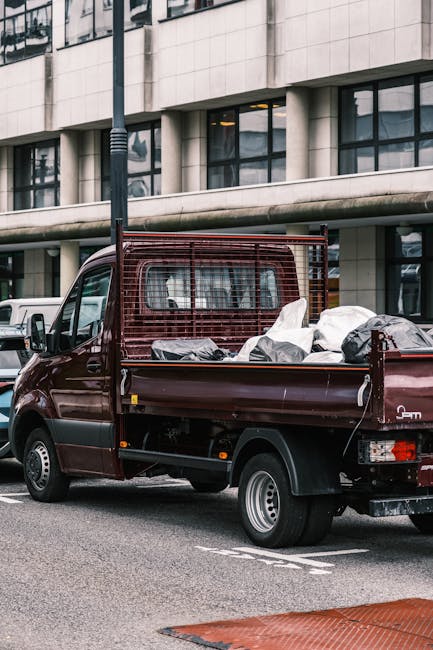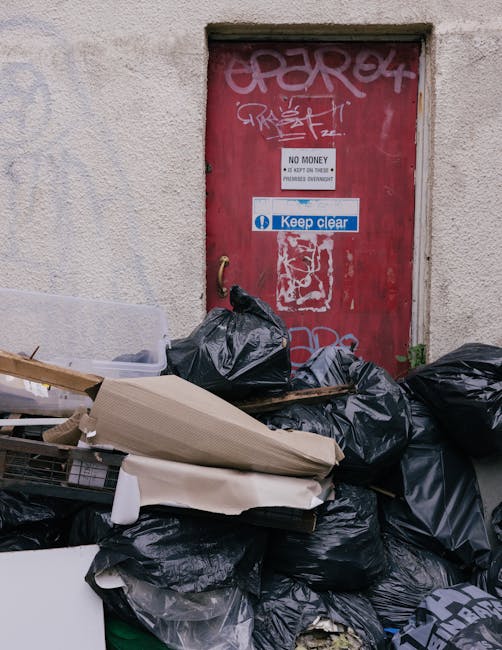
Emergency rubbish removal Clapham Junction SW11: fast, practical help when waste cannot wait
When rubbish piles up suddenly, it has a habit of taking over the whole space. A hallway becomes a bottleneck, a front garden starts looking neglected, or a shop back room turns into a tripping hazard. If you need Emergency rubbish removal Clapham Junction SW11, the goal is simple: clear the waste quickly, safely, and with as little disruption as possible. In a busy part of South West London, that usually means a same-day or rapid-response collection, sensible handling of bulky items, and a team that knows how to work around flats, narrow roads, and tight access. This guide breaks down how it works, what to expect, and how to avoid the common mistakes that make an urgent clearance harder than it needs to be.
Why Emergency rubbish removal Clapham Junction SW11 Matters
Urgent rubbish removal is not just about appearances, even though that is often what people notice first. It can be about safety, access, hygiene, neighbour relations, or getting a room back into usable shape before a move, inspection, delivery, or contractor visit. Around Clapham Junction, where many homes are flats, shared houses, converted buildings, and small businesses, clutter can create very real pressure very quickly.
A blocked entrance or overfilled communal area can become a nuisance for residents and visitors. Broken furniture in a stairwell, old office waste in a back room, or builders' rubble left after a rushed job can also become a practical problem. Truth be told, once a space starts to feel unmanageable, it tends to get worse before it gets better. That is usually the point where emergency rubbish removal makes sense.
Another reason it matters is timing. Some waste can wait until the weekend. Some really cannot. If you are preparing a property for handover, trying to reopen a workspace, or clearing after a last-minute tenant departure, speed is often the difference between staying on schedule and falling behind. For larger or mixed loads, a service such as rubbish removal or waste clearance can be a better fit than trying to manage everything yourself in stages.
Expert summary: emergency rubbish removal is most useful when delay carries a cost - safety, access, hygiene, compliance, or simply lost time. If the mess is getting in the way of normal life, it is probably time to act.
How Emergency rubbish removal Clapham Junction SW11 Works
The process is usually more straightforward than people expect. A good clearance team will ask what needs removing, how much there is, where it is located, and whether there are any access issues. That might sound obvious, but it helps avoid a lot of friction later. For example, a top-floor flat with no lift is a very different job from a ground-floor garage clear-out.
In urgent situations, the workflow often looks like this:
- You describe the load. A few photos usually help. They show the volume, the type of items, and whether there are awkward pieces such as wardrobes, mattresses, or heavy appliances.
- The team estimates the resource needed. That includes vehicle size, number of crew, time on site, and whether specialist handling is likely to be needed.
- A collection window is arranged. For emergency jobs, this may be same-day or next-available, depending on workload and access.
- The waste is loaded and cleared. Good teams work carefully through common areas, protect walls where necessary, and keep the route tidy. It is rarely glamorous. But it matters.
- The waste is taken for proper disposal. Reusable or recyclable materials are separated where practical, while unsuitable items are handled through lawful disposal routes.
If the rubbish includes old furniture, bulky seating, or a sofa that has seen better days, a dedicated service such as sofa removal or furniture disposal can make the job cleaner and faster. For business premises, the right route may be business waste or even office clearance if desks, files, and general office contents are involved.
One small but important detail: emergency does not have to mean chaotic. A well-run collection is often calm, methodical, and surprisingly quick. That is what you want. Not a rush job, just a quick one.
Key Benefits and Practical Advantages
Fast rubbish removal delivers several advantages at once, and the value goes beyond getting your floor back. Here are the benefits that tend to matter most in real life:
- Speed: urgent waste is dealt with before it causes more disruption.
- Safety: you reduce trip hazards, sharp edges, blocked exits, and manual handling risks.
- Space recovery: hallways, storage rooms, gardens, garages, and workspaces become usable again.
- Less stress: a messy environment can be mentally exhausting; clearing it often feels like breathing out again.
- Better presentation: useful if you have visitors, inspections, lettings, or trades arriving soon.
- Responsible disposal: professional clearance reduces the temptation to dump waste illegally or leave it on the kerb "for later".
In mixed domestic jobs, a service such as home clearance, flat clearance, or house clearance may be more appropriate than a generic bin-sack run. For outdoor overflow, garden clearance can be useful when bags, branches, planters, and old outdoor items are causing a mess after a tidy-up or stormy weather.
There is also a practical financial angle. A quick clearance can prevent further damage, additional labour, missed deadlines, or the cost of hiring storage just to keep the clutter off-site. Not always, of course - but often enough to make the decision easy.
Who This Is For and When It Makes Sense
Emergency rubbish removal is for anyone whose waste has become time-sensitive. That includes homeowners, tenants, landlords, letting agents, builders, shop managers, facilities teams, and anyone trying to get a property back under control fast.
It makes sense when you are facing one of these situations:
- A tenant has moved out and left bulky waste behind.
- A renovation or repair has created a pile of builders' waste that now needs to go.
- A landlord or agent needs a flat cleared before new photos or viewings.
- A shop, cafe, or office has accumulated waste in a back room or cellar.
- A garage has become too full to park in or use safely.
- A garden has been left with broken fencing, green waste, bags, or old furniture.
- A sofa, mattress, or large item has to be removed quickly because it is blocking access.
Sometimes people wait because they think the job is "too small" for a specialist team. In practice, that is often exactly the sort of job that benefits from a quick professional visit. A single bulky item can be more awkward than six bagged loads. Strange, but true.
If you need a broader clearance rather than just a one-off item, related services like garage clearance and rubbish clearance can be the more efficient route. For trade and refurbishment waste, builders waste is a better match than treating it like ordinary household rubbish.
Step-by-Step Guidance
If you want the clearance to go smoothly, a little preparation helps. You do not need to stage everything like a magazine shoot. Just make it accessible and clear enough for the crew to work safely.
- Identify what needs to go. Separate rubbish, reusable items, and anything you want to keep. If you are unsure, make a "maybe" pile and review it once more before collection.
- Take quick photos. Wide shots are more useful than close-ups. If there are stairs, narrow corridors, locked gates, or parking restrictions, show those too.
- Be clear about urgency. Say whether it is same-day, next-day, or before a specific time. If you have a contractor arriving at 8 a.m., say so early.
- Check access details. Clapham Junction properties can vary a lot. Some are straightforward; others have tight stairwells, permit bays, or awkward entry routes.
- Ask what happens to the waste. A trustworthy service should be able to explain the general disposal approach in plain English.
- Confirm the scope before the team arrives. This avoids the classic last-minute surprise of "oh, there's also the shed" or "we forgot about the mattress in the loft".
For people who want to keep things simple, it can help to think in terms of load type rather than room type. A room full of office chairs, paperwork, and shelves is really an office clearance problem. A pile of renovation offcuts is closer to builders waste. Mixed loads are common, and that is fine - just say so upfront.
And yes, if you can sweep the obvious loose debris into one corner, that helps too. Nobody expects perfection. A tiny bit of prep goes a long way.
Expert Tips for Better Results
Most clearance jobs become easier when the person booking them gives the right information at the right time. That sounds boring, but it saves a lot of faff.
- Send photos from the doorway as well as close-up shots. This gives a clearer idea of volume and access.
- Mention anything unusually heavy or fragile. Fridges, old wardrobes, broken glass, and awkward built-ins can change the load plan.
- Be honest about hidden items. If there is also rubbish in a shed, under stairs, or on a balcony, say it. Better now than mid-collection.
- Ask about mixed waste. Domestic rubbish, furniture, and trade debris can sometimes be collected together, but it depends on the load.
- Keep residents or staff informed. If the job affects a shared corridor or loading area, a quick heads-up reduces friction.
- Group similar items together if possible. It makes loading quicker and can reduce confusion on site.
In our experience, the best emergency clearances are the ones where nobody tries to make the job sound smaller than it is. A small lie about volume can cost time. A small exaggeration can also cost time. So the sweet spot is just plain honesty.
If the job involves long-term tidy-up rather than immediate waste, it may be worth looking at related services such as waste removal, waste collection, or waste disposal depending on how the material is stored and what needs doing next.
Common Mistakes to Avoid
When people are rushed, they often make the same handful of mistakes. Nothing dramatic. Just the kind of thing that adds half an hour here and another call-out there.
- Leaving everything until the last minute. Emergency jobs can be handled quickly, but they still need a plan.
- Underestimating access problems. Narrow staircases, parking restrictions, and keypad entry all affect timing.
- Not separating valuables. It sounds obvious, yet keys, documents, chargers, and small tools often end up mixed in.
- Assuming all rubbish is the same. It is not. Domestic waste, furniture, green waste, builders' waste, and office contents may need different handling.
- Forgetting about shared spaces. In flats and terraces, hallways and landings matter. Neighbours do not love a surprise pile-up.
- Booking based only on price. Cheapest is not always best if the job is urgent, bulky, or access-heavy.
There is also a subtle mistake people make with urgency: they treat it like a reason to skip due diligence. Fair enough, you are in a hurry. But a quick check of the company's experience, service scope, and clarity can save a lot of hassle later.
Tools, Resources and Recommendations
You do not need fancy equipment to prepare for a clearance, but a few practical tools help:
- Bin bags or rubble sacks for small loose waste.
- Labels or marker tape if you want to mark what stays and what goes.
- Phone camera for photos of the waste and the access route.
- Gloves and sturdy shoes if you are moving light items yourself before the team arrives.
- Basic measuring tape if you think a bulky item may need checking against stairs, doors, or lifts.
For more structured clearances, related pages such as flat clearance, house clearance, and home clearance can help if the issue is more than just a pile of waste. If your problem is one sofa or a few key items, sofa removal may be the neatest option.
My practical recommendation? Take three photos before you make the call: one wide shot, one access shot, and one close shot of the biggest item. That tiny habit solves more problems than you might think.
Law, Compliance and Best Practice
Waste handling in the UK has to be done properly. You do not need to memorise legislation to book a clearance, but it helps to understand the basics. Waste should be taken to appropriate disposal or recycling routes, and anyone handling it professionally should be able to explain what they are doing in a sensible way.
A few good practice points matter here:
- Duty of care: waste should not simply disappear; it should be dealt with responsibly.
- Controlled handling: items should be loaded safely to reduce injury and property damage.
- Appropriate segregation: where practical, recyclable or reusable materials can be separated from general waste.
- Awareness of special items: fridges, electricals, paint, and other awkward materials may need careful handling.
For business premises, this becomes even more important. Old stock, packaging, confidential material, or office contents should be handled with an eye on both compliance and privacy. If the waste comes from a commercial environment, a service aligned with business waste or office clearance may be more appropriate than a one-off domestic collection.
Best practice also means being careful with communal buildings. In a Clapham Junction block, for example, a good team will keep corridors clear, avoid blocking neighbours, and work neatly around shared access. That is the sort of detail that separates a decent clearance from a disruptive one.
Options, Methods, or Comparison Table
Depending on what you need removed, there are a few sensible ways to approach the job. The right choice depends on urgency, item type, volume, and access. Here is a simple comparison to make the decision easier.
| Option | Best for | Pros | Limitations |
|---|---|---|---|
| Emergency rubbish removal | Urgent clutter, blocked access, same-day needs | Fast, flexible, practical | May cost more than standard timing because of urgency |
| Rubbish collection | General household waste and mixed rubbish | Simple and convenient | May be less suitable for bulky or awkward loads |
| Waste collection | Planned or larger clearances | Useful for repeat or broader clean-ups | Not always the fastest option for emergencies |
| Flat or house clearance | Full property clear-outs | Good for larger domestic jobs | May be more than you need if the issue is just one area |
| Furniture or sofa removal | Single bulky items | Efficient for large one-off pieces | Not the best fit for mixed rubbish loads |
If you are not sure which route fits, think about the main problem first. Is it bulk? Urgency? Access? Mixed materials? That answer usually points you to the right service pretty quickly.
Case Study or Real-World Example
Here is a realistic scenario. A small rented flat near Clapham Junction has a same-week inventory check coming up. The previous occupant left a broken armchair, several bags of mixed rubbish, and an old desk that will not fit neatly into the lift anyway. The hallway is cramped, the landlord wants the property ready fast, and the letting agent needs clean photos before the next viewing.
Rather than trying to move it all in separate trips, the simplest solution is an urgent collection. The crew arrives with the right vehicle and enough hands to deal with the bulky pieces safely. The armchair goes first, then the bags, then the desk is handled carefully because it needs to turn in a tight stairwell. The whole thing is done in one visit. Not glamorous, but effective.
What made the difference? Clear photos, honest details about access, and deciding early that it was a clearance problem rather than a series of DIY trips. The property was back to neutral by late morning, and the landlord could move on without the week becoming a mess of half-finished tasks.
Practical Checklist
Use this quick checklist before you book:
- Have you identified exactly what needs removing?
- Have you taken clear photos of the waste and access route?
- Do you know whether the job is domestic, commercial, or mixed?
- Have you separated valuables, documents, and items you want to keep?
- Is there anything unusually heavy, sharp, wet, or awkward?
- Will parking, stairs, or lift access affect the collection?
- Do you need same-day help or a very specific time window?
- Are there shared areas or neighbours who should be informed?
- Do you need related help such as rubbish clearance, waste removal, or builders waste?
- Have you checked the company's terms before confirming the visit?
That last point matters more than people think. If you know the basics up front, the collection usually feels much easier. Less waiting around, fewer surprises, and far less back-and-forth. Nice, simple, done.
Get a free quote today and see how much you can save.
Conclusion
Emergency rubbish removal in Clapham Junction SW11 is really about regaining control quickly. Whether the issue is a sudden property clear-out, bulky furniture, trade waste, or a space that has become unsafe to ignore, the right approach is the one that clears the problem without adding stress. Keep it simple: describe the load clearly, be honest about access, and choose the service that fits the actual job rather than the one that merely sounds closest.
If you need a fast, tidy, and sensible response, a professional clearance can save time, reduce hassle, and make the whole place feel usable again. And sometimes that is enough. The room opens up, the air feels lighter, and you can finally get on with the rest of the day.
Frequently Asked Questions
What counts as emergency rubbish removal in Clapham Junction SW11?
It usually means waste that needs to be cleared quickly because it is blocking access, causing a safety issue, affecting a move, or getting in the way of work. Same-day and next-day collections are often the most common urgent requests.
Can bulky items be removed the same day?
Often yes, depending on access, timing, and the size of the load. Sofas, wardrobes, desks, and mattresses are common emergency items, but it helps to send photos first so the team can plan properly.
Is emergency rubbish removal more expensive than a standard booking?
It can be, because urgent work may require quicker scheduling and more immediate resources. That said, the exact cost usually depends on the volume, item type, and access rather than urgency alone.
What should I do before the clearance team arrives?
Separate valuables, take clear photos, make sure access is available, and let them know about stairs, parking, or restricted entry. A small amount of prep can save a surprising amount of time.
Do I need to move the rubbish outside first?
Not usually. Many clearance teams collect from inside the property, from basements, garages, lofts, and gardens. If you can move light items safely, fine, but do not risk injury just to save a few minutes.
Can you remove mixed waste and furniture together?
Yes, in many cases mixed loads are exactly what urgent clearance is for. If the job includes furniture, general rubbish, and maybe some trade material, just describe that upfront so the right vehicle and crew are sent.
What if the rubbish is in a flat with no lift?
That is very common around Clapham Junction. It is usually manageable, but it should be mentioned early because stairs, narrow landings, and turning space can affect timing and labour.
Is this suitable for offices and shops too?
Yes. Urgent clearances are often needed by businesses after refurbishments, stock changes, closures, or an unexpected build-up of waste. In those cases, services like business waste or office clearance may be the best fit.
What happens to the waste after collection?
It should be transported for proper disposal or recycling through lawful routes. Reusable or recyclable items may be separated where practical, while unsuitable waste is dealt with responsibly. It is fair to ask how that is handled.
Can you handle builders' waste and renovation debris?
Yes, if the service is set up for it. Broken plasterboard, offcuts, rubble, and packaging from a refurbishment are usually treated differently from ordinary household rubbish, so be clear that it is builders' waste.
How fast can the booking usually happen?
That depends on demand and your access details, but urgent jobs are often arranged for the same day or the next available slot. If your timing is tight, say so at the beginning rather than halfway through the conversation.
How do I know whether I need rubbish removal or a full clearance?
If you have a single load or an awkward pile of waste, rubbish removal may be enough. If you are clearing an entire room, flat, garage, or house, a broader clearance service is usually more efficient. The bigger the mess, the more likely a clearance service makes sense.
Can I book emergency rubbish removal for outdoor waste?
Yes, provided the team can access the garden, side return, alley, or front area safely. Garden waste, broken outdoor furniture, and mixed debris after a tidy-up are all common reasons people call in urgent help.