Dealing with Hazardous Household Waste in South London: A Practical Guide for Safer, Smarter Disposal
If you have old paint tins in the shed, a box of batteries under the stairs, or a half-used bottle of bleach tucked away because you were not quite sure what to do with it, you are not alone. Dealing with hazardous household waste in South London can feel oddly specific and a bit inconvenient, but it matters more than most people realise. The wrong item in the wrong bin can create risks for waste crews, damage sorting systems, and leave you feeling unsure about whether you have done the right thing.
This guide breaks the process down in plain English. You will learn what counts as hazardous household waste, how disposal usually works in South London, what to avoid, and how to organise things safely without making a weekend project out of it. Truth be told, most households only need a little structure and a few calm decisions.
Table of Contents
- Why Dealing with Hazardous Household Waste in South London Matters
- How Dealing with Hazardous Household Waste in South London Works
- Key Benefits and Practical Advantages
- Who This Is For and When It Makes Sense
- Step-by-Step Guidance
- Expert Tips for Better Results
- Common Mistakes to Avoid
- Tools, Resources and Recommendations
- Law, Compliance, Standards, or Best Practice
- Options, Methods, or Comparison Table
- Case Study or Real-World Example
- Practical Checklist
- Conclusion
- Frequently Asked Questions
Why Dealing with Hazardous Household Waste in South London Matters
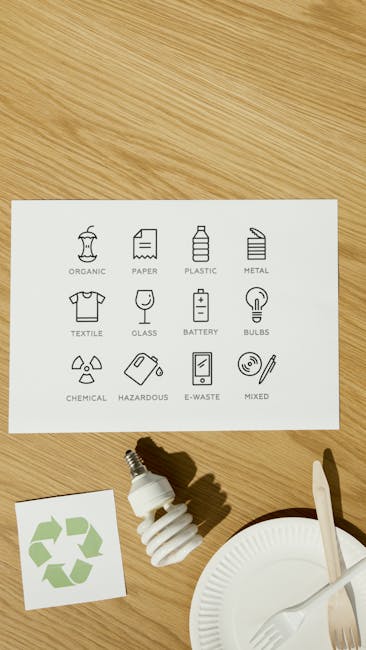
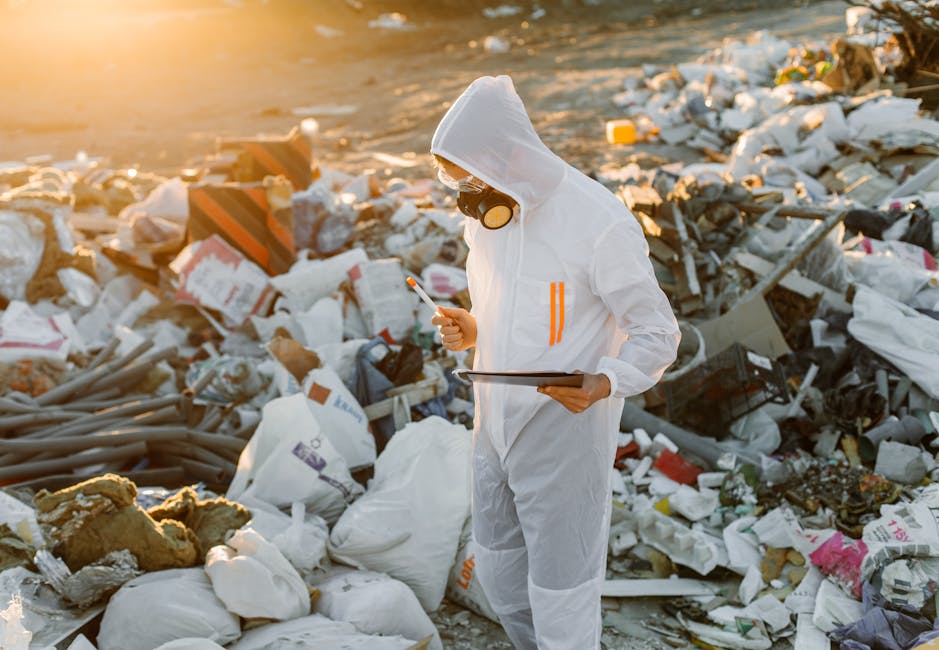
Hazardous household waste is not the same as ordinary rubbish. It includes items that can be flammable, corrosive, toxic, pressurised, or otherwise risky if handled badly. In a busy urban area like South London, where homes are close together and waste collections run on tight schedules, those risks add up quickly.
Think about a leaking tin of solvent sitting in a cupboard. It might seem harmless because it is small. But if it tips over, mixes with other waste, or sits in hot conditions, the smell alone can be unpleasant, and the contents can become a safety problem. Batteries, aerosol cans, pesticides, adhesives, fluorescent tubes, leftover cleaning chemicals, and old DIY products all deserve a bit more care than a standard black bag.
It matters for three simple reasons:
- Safety: these items can injure people if they break, leak, ignite, or react.
- Environmental responsibility: hazardous materials should not be washed into drains or thrown in with general rubbish.
- Compliance and good practice: even household waste needs to be handled thoughtfully so it does not cause issues further down the line.
There is also a human side to it. Nobody wants to open a cupboard and see a motley collection of half-used chemicals from three different home projects. It nags at you. Sorting it properly brings a bit of order back. Small win, but still a win.
If you are clearing out a home, flat, or rental property, you may also want to look at the company background on the about us page before deciding how to handle the job. That can be useful when trust and practical experience matter.
How Dealing with Hazardous Household Waste in South London Works
The process is usually simpler than people expect, although it does take a bit of care. The main idea is to separate hazardous items from regular household waste, identify what each item is, and choose the most suitable disposal route.
For example, you would not place loose paint, batteries, or solvent-based cleaners into the same bag as food waste or packaging. Some items may be suitable for designated collection points or household recycling centres. Others may need a specialist collection or an arranged removal service, especially if there is a larger volume from a move, refurb, or property clear-out.
A sensible process usually looks like this:
- Identify the waste category.
- Check whether it is still sealed, leaking, or damaged.
- Keep incompatible items apart.
- Store them safely until disposal.
- Choose the most appropriate local disposal method.
One thing people often overlook is packaging. A crusty old tin with a badly stuck lid is not just annoying; it can also be riskier to move. Keep items upright, label them if the original label is missing, and do not decant chemicals into unmarked containers. That is one of those jobs that feels tidy in the moment and messy later. Very messy later.
If you are arranging a wider clear-out at the same time, it is often worth using a trusted service route that can handle mixed waste responsibly. You can also use the contact page to ask direct questions about disposal needs before anything is booked in.
Key Benefits and Practical Advantages
Handling hazardous household waste properly is not just about avoiding mistakes. It has some real practical upsides too.
1. A safer home environment
Households that store chemicals, sharps, batteries, and aerosols in a controlled way reduce the chance of leaks, breakage, odours, and accidental exposure. That matters if you have children, pets, visitors, or anyone who might open a cupboard without thinking.
2. Less clutter and mental noise
Let's face it, a box of random old products can become a "sort it later" box that never quite gets sorted. Once hazardous items are separated and removed, the space feels cleaner and easier to manage.
3. Better handling during moves and clearances
If you are moving house, dealing with a probate property, or clearing an overfilled garage, sorting hazardous waste early prevents nasty surprises on collection day. A quick check now saves the classic last-minute panic. You know the one.
4. Lower risk of damage to other waste
Leakage from chemicals or batteries can contaminate other items and create avoidable problems. Proper segregation protects both your household and the waste stream downstream.
5. More confident decision-making
Once you know what you are dealing with, it becomes much easier to decide whether to hold, separate, or arrange removal. That confidence is worth something. No more guessing, no more hoping for the best.
Expert summary: The safest approach is usually simple: separate hazardous items early, keep them sealed and upright, and choose a disposal route that matches the item type and quantity. If in doubt, slow down rather than forcing a quick fix.
Who This Is For and When It Makes Sense
This topic is relevant to more people than you might think. Most homes create some kind of hazardous waste over time, even if it is not obvious.
- Homeowners clearing out sheds, lofts, garages, or under-sink cupboards
- Tenants who have inherited old household products from a previous occupant
- Landlords and letting agents managing end-of-tenancy clearances
- Families doing a deep declutter or child-safety tidy-up
- People moving home and trying to avoid transporting risky items unnecessarily
- Executors or relatives dealing with a property after a bereavement
- DIYers and gardeners with leftover treatments, adhesives, or solvent-based products
It also makes sense when you are simply not sure what you have. There is no shame in that. A lot of household waste is a mixed bag of old labels, faded packaging, and partially used products. You do not need to become a chemical expert overnight. You just need a sensible process.
Here is a useful rule of thumb: if the item can burn, poison, corrode, pressurise, or leak in a way that could harm people or property, treat it carefully and do not dispose of it casually. That is the kind of practical instinct that saves hassle later.
Step-by-Step Guidance
If you want a straightforward way to deal with hazardous household waste in South London, use this process. It is not fancy, just dependable.
Step 1: Gather everything in one place
Look through cupboards, sheds, utility rooms, lofts, bathrooms, and garages. Put similar items together on a sturdy surface. If you are dealing with a lot, work in daylight or with a good lamp so labels are easier to read. Early morning light is often surprisingly helpful. Sounds trivial, but it is true.
Step 2: Separate by type
Keep batteries separate from liquids. Keep aerosols away from sharp or heavy items. Keep medicines, cleaning products, paints, and garden chemicals in their own groups. Some items need extra caution because they should never mix.
Step 3: Check condition
Look for bulging containers, rust, leaks, cracked casings, swollen batteries, or damaged lids. If anything is leaking, do not shake it around or try to improvise with mixed storage. Place it somewhere stable and avoid further handling until you know the next step.
Step 4: Keep original labels where possible
Labels help identify contents and make disposal safer. If the label has fallen off, write a clear note on the container or keep it with a note nearby. Do not pour items into drink bottles or food containers. That can look neat for about ten seconds, then become a safety problem.
Step 5: Decide the disposal route
For small amounts, a local disposal option may be enough. For larger volumes, a clearance approach can be more practical, especially if you are managing several waste types at once. In those cases, it helps to use a provider that is set up to deal with a broad mix of household items and can separate what needs special handling.
Step 6: Store safely until removal
Keep hazardous items away from heat, direct sunlight, children, and pets. A cool, dry, ventilated place is usually better than a cramped corner next to general rubbish. If possible, store them upright in a tray or box so any minor leak is contained.
Step 7: Confirm what will be taken
Before collection or drop-off, double-check which items are accepted. This avoids the common "I thought the old paint would be fine" moment. It rarely is. Not a disaster, just an avoidable delay.
Expert Tips for Better Results
A few small habits make the whole process smoother.
- Sort earlier than you think you need to. Hazardous waste is easier to manage before a move, renovation, or house clearance turns everything upside down.
- Use a container-within-a-container approach. A box or tray beneath smaller items can help contain drips or broken seals.
- Keep a simple inventory. A handwritten list with item type and condition is often enough. No need for a spreadsheet unless you enjoy that sort of thing.
- Do not compress or crush pressurised items. Aerosols and certain containers can react badly to pressure or heat.
- Separate unknowns. If you cannot identify an item, do not mix it with everything else. Keep it isolated and seek guidance.
A useful habit in South London homes, especially flats and terraced properties, is to avoid storing hazardous items in shared hallways, near boilers, or by radiators. Compact spaces can warm up quickly, and a little caution goes a long way.
Another practical tip: if you are already booking a broader clear-out, mention the hazardous items up front rather than leaving them until the end. That way, the right plan can be made from the start. Much less faff.
Common Mistakes to Avoid
Most problems with hazardous household waste come from well-meaning shortcuts.
Mixing chemicals together
This is the big one. Different products can react if combined, even if they are both "cleaning stuff." Bleach and other cleaners are a classic example people hear about, but the broader lesson is simple: do not mix unknown products.
Putting batteries in general rubbish
Batteries can cause problems if damaged during collection or processing. Keep them separate, especially button batteries and lithium types.
Leaving aerosols in hot places
Cars, lofts, airing cupboards, and sunny sheds are not ideal. Heat and pressure are a poor combination.
Using unlabelled bottles
If nobody can tell what is inside, disposal becomes more complicated and potentially less safe. This is one of those tiny mistakes that creates disproportionate hassle.
Trying to "use up" unknown leftovers
It is tempting to finish old products to avoid disposing of them. But if a product is outdated, degraded, or unlabelled, using it just to get rid of it is not always sensible.
Assuming all waste services accept everything
They do not. Accepted items can vary depending on the service, the quantity, and the condition of the waste. Ask first. Saves the awkward moment at the kerb or door.
Tools, Resources and Recommendations
You do not need much to manage this properly, but a few simple tools help.
- Thick gloves for handling dusty or awkward packaging
- Sturdy boxes or trays to group items safely
- Permanent marker for labelling containers or notes
- Paper towels or absorbent material for minor drips, used cautiously and disposed of appropriately
- Tape for securing lids if they are loose, but never sealing something that might need ventilation
- A notepad or phone note for listing items and quantities
For advice, a good starting point is often the service provider you plan to use. A clear conversation about what you have, where it is stored, and how much there is can save time for everyone. If you are still comparing options, a practical first step is to look at the company's public information and then use the contact page to ask about next steps, especially if the waste is mixed with furniture or general household items.
If you want to understand the organisation's approach to customer data and communication, the privacy policy and terms and conditions are also worth reviewing before making an enquiry. Not glamorous reading, admittedly, but helpful.
Law, Compliance, Standards, or Best Practice
Hazardous household waste sits in a space where legal duties, local collection arrangements, and common-sense safety all overlap. The exact rules can vary depending on the item, the quantity, and the local disposal route available to you. Because of that, it is wise to follow recognised UK best practice without assuming every item can be treated the same way.
At home, the safest general principles are straightforward:
- Keep hazardous items separated from general waste.
- Do not pour chemicals into sinks, drains, or soil.
- Store items securely until they can be moved or collected.
- Do not tamper with damaged containers unless you know the right procedure.
- Use a disposal route suited to the item type and amount.
If you are managing the waste for a rented property, clearance, or move, be mindful that household waste can quickly become mixed with items that need special handling. That is why good communication matters. The earlier you identify batteries, paints, solvents, or similar materials, the smoother the job usually goes.
Best practice is also about honesty. If you are unsure whether something is hazardous, say so. A cautious answer is better than a confident mistake. That is not being overly careful; it is just sensible.
Options, Methods, or Comparison Table
There is more than one way to deal with hazardous household waste. The right choice depends on quantity, urgency, item type, and how much effort you want to spend yourself.
| Method | Best for | Pros | Limitations |
|---|---|---|---|
| Small-scale home sorting | A few items such as batteries, aerosols, or old cleaning products | Low effort, good for ongoing household upkeep | Not ideal for large volumes or damaged containers |
| Planned drop-off or local disposal route | Residents with a manageable amount of waste | Can be cost-effective and straightforward | Requires transport and time, and acceptance may vary by item |
| Specialist collection or clearance service | Mixed waste, larger quantities, moves, refurbishments, or probate clear-outs | Convenient, time-saving, better for awkward or bulky situations | Needs upfront coordination and clear item details |
For many households, the best option is a blend of methods. A few batteries go one way, a small batch of old paint another, and the rest is handled as part of a broader clear-out. That split approach is often the least stressful.
Case Study or Real-World Example
Picture a typical South London flat after a long-overdue declutter. The kitchen cupboard contains three half-used cleaning sprays, an unopened but dated bottle of bleach, a small packet of batteries, and a crumpled box of matches. In the hallway cupboard there is an old tin of paint left over from a touch-up job years ago. The tenant is moving out next week and, naturally, has left this discovery until Thursday evening. Classic.
Rather than tossing everything into one bin bag, the items are sorted by type. Batteries are put aside separately. The cleaning products are checked for labels and kept upright in a tray. The paint tin is identified as a leftover DIY item and isolated from the rest. Nothing is mixed, nothing is poured away, and nothing is guessed at.
From there, the person decides which items can be moved through a regular household route and which may need a more structured disposal option. The result is less stress, fewer chances of spillage, and a much cleaner handover. It is not dramatic, but that is kind of the point. Good hazardous waste management is usually quiet and unremarkable. Which is exactly what you want.
Practical Checklist
Use this checklist before you dispose of hazardous household waste in South London.
- Have you identified every item that may be hazardous?
- Are liquids, batteries, aerosols, and chemicals stored separately?
- Are the containers sealed, stable, and upright?
- Are the original labels still attached where possible?
- Have you kept unknown items apart from the rest?
- Have you checked whether any item is leaking, cracked, or swollen?
- Do you know which items can be disposed of through your chosen route?
- Have you kept the waste away from children, pets, heat, and food storage?
- Have you arranged transport or collection in advance if needed?
- Have you confirmed any service terms or privacy details before making an enquiry?
If you can tick off most of those points, you are in a good place. If not, slow the process down a bit. No rush. Better safe than sorry, and honestly, it usually takes less time than people fear.
Conclusion
Dealing with hazardous household waste in South London does not need to be complicated. The real job is simply to recognise risky items, keep them separate, and choose a disposal method that fits the situation. Once you do that, the whole task becomes much more manageable.
The best approach is calm, tidy, and a little bit cautious. Sort early, store safely, ask questions when something looks unusual, and do not force unknown products into general waste. Whether you are clearing a cupboard, preparing for a move, or dealing with a bigger household clearance, a steady approach pays off.
If you need a cleaner, safer, and more organised way forward, start with the facts you already have, then take the next sensible step. That is usually enough. Small actions add up, and the peace of mind is worth it.
Get a free quote today and see how much you can save.
For trusted information about the business, you can revisit the about us page, or if you are ready to talk through your waste clearance needs, head to the contact page. Sometimes one clear conversation is all it takes.
Frequently Asked Questions
What counts as hazardous household waste?
Common examples include batteries, aerosols, paints, solvents, bleach, pesticides, strong cleaning products, fluorescent tubes, and certain leftover DIY chemicals. If an item can leak, burn, corrode, or react badly, it deserves extra care.
Can I put hazardous household waste in the normal bin?
Usually, no. General household bins are not suitable for items that may leak, combust, or contaminate other waste. It is better to separate them and choose the proper disposal route.
What should I do if a container is leaking?
Keep it upright, avoid squeezing or moving it more than necessary, and place it somewhere safe and stable. If you are unsure how to handle it, isolate it from other items and seek guidance before disposal.
Are old paint tins always classed as hazardous?
Not every paint tin is treated the same way, but many leftover paints and related products need careful handling. The safest approach is to keep them separate and check the acceptance rules for your chosen disposal method.
How should I store hazardous waste before collection?
Store it in a cool, dry, secure place away from children, pets, food, and heat sources. Keep liquids upright and separate from batteries, sharps, and aerosols.
Can I mix different cleaning products together to save space?
No. Mixing unknown cleaning products can be dangerous, even if they seem similar. Keep them separate and do not decant them into unlabelled containers.
What if I do not know what a bottle contains?
Do not guess. Keep it isolated from the rest of your waste, retain any packaging or notes you have, and ask for advice before moving it with other items.
Is it worth arranging a specialist collection for just a few items?
Sometimes yes, especially if the items are awkward, damaged, or part of a larger clearance. For just a couple of small items, a simpler local route may be more practical.
How do I prepare hazardous waste for a house move?
Sort it early, remove anything you do not need to transport, and store the remaining items securely. Moving day is hectic enough without adding a box of mystery chemicals to the van.
What is the safest way to dispose of batteries at home?
Keep batteries separate from general rubbish and other metal items. Tape the terminals on certain battery types if advised by the chosen disposal route, and store them in a dry container until they can be handled properly.
Can landlords or tenants be responsible for hazardous waste in a property?
Yes, responsibilities can depend on the item, the tenancy agreement, and who left the waste behind. In practical terms, the best move is to document what is found and decide the disposal route before a property changes hands.
Where can I ask about service details before booking?
If you want to clarify what can be accepted, how the process works, or what information is needed, use the contact page to ask before you commit. It is the easiest way to avoid surprises later.
And if you like to check the small print first, the privacy policy and terms and conditions are available too.