Avoid Fly-tipping: Secure Rubbish Removal in South London
If you live or work in South London, rubbish can build up faster than you expect. A sofa that no one wants, builder's waste after a quick refurb, a garage full of old bits and pieces... and suddenly the skip outside looks tempting. But fly-tipping is never the shortcut. It creates risk, stress, and a mess that often lands on the wrong person anyway.
This guide explains how to avoid fly-tipping with secure rubbish removal in South London, what a proper collection should look like, and how to choose a service that keeps your waste handled responsibly. Whether you are clearing a flat, emptying an office, or dealing with garden waste after a weekend of heavy pruning, the aim is the same: get it removed safely, legally, and without any nasty surprises.
You will also find practical steps, common mistakes, a simple comparison table, and a realistic checklist you can use before booking. Nothing fluffy. Just the sort of guidance that helps when you need the job done and done properly.
Quick takeaway: the safest rubbish removal is the one that gives you a clear process, a proper collection plan, and peace of mind that your waste will not end up dumped somewhere it should not be.
Table of Contents
- Why Avoid Fly-tipping: Secure Rubbish Removal in South London Matters
- How Avoid Fly-tipping: Secure Rubbish Removal in South London Works
- Key Benefits and Practical Advantages
- Who This Is For and When It Makes Sense
- Step-by-Step Guidance
- Expert Tips for Better Results
- Common Mistakes to Avoid
- Tools, Resources and Recommendations
- Law, Compliance, Standards, or Best Practice
- Options, Methods, or Comparison Table
- Case Study or Real-World Example
- Practical Checklist
- Conclusion
- Frequently Asked Questions
Why Avoid Fly-tipping: Secure Rubbish Removal in South London Matters
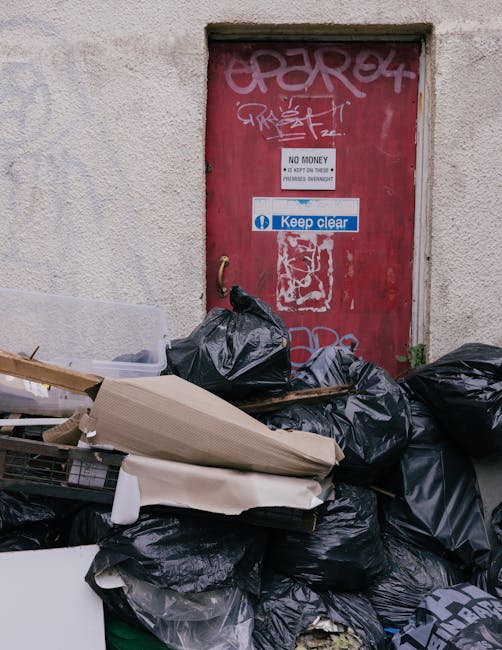
Fly-tipping is one of those issues that looks small until it is suddenly yours to deal with. A pile of bags in an alleyway, a broken wardrobe left beside a boundary wall, old plasterboard dumped near a road closure - it all creates the same headache. In South London, where homes, flats, shops, and building projects sit close together, waste can become a visibility problem quickly. One person's shortcut can become another person's problem by morning.
There is also a simple practical truth: unsecured rubbish removal can go wrong in lots of ways. Waste may be left outside too long, mixed incorrectly, collected by the wrong operator, or moved without enough care for safety and traceability. That is not just inconvenient. It can affect neighbours, customers, landlords, and property managers too.
People often search for rubbish removal because they want speed. Fair enough. But speed without control is where trouble starts. Secure rubbish removal means the waste is collected in a way that protects your property, reduces the chance of illegal dumping, and gives you confidence that the right handling steps were followed. It is a cleaner result all round, and honestly, a calmer one.
In a busy part of London, the details matter. A tidy collection point. Clear timing. A crew that knows how to load different waste streams. Those small things add up. They stop waste sitting around, stop complaints from neighbours, and help you avoid the "who left this here?" conversation that nobody wants on a Tuesday morning.
For larger or mixed clearances, it can help to think in categories. For example, building debris may need different handling from household clutter, and a commercial clear-out is not the same as a garden tidy-up. That is why services such as builders' waste removal, business waste collection, and garden clearance exist as distinct options rather than one catch-all job.
How Avoid Fly-tipping: Secure Rubbish Removal in South London Works
At its best, secure rubbish removal is straightforward. You identify what needs to go, book a collection, prepare the items, and have them removed by a team that knows how to transport and dispose of waste responsibly. Simple on paper. In real life, the difference is in the handling.
First comes the assessment. That may be a quick phone call, a photo-based estimate, or an on-site visit if the job is larger or more mixed. The point is to understand volume, access, waste type, and whether there are awkward items like heavy furniture, broken fixtures, or bagged rubbish that needs careful sorting.
Then there is the collection plan. A good service should be clear about what can be taken, what needs separate handling, and how the loading will work. If you have ever tried to squeeze a mattress, a few box files, and half a shed into the same tiny time window, you will know why planning matters. It really does.
On collection day, the team should load the waste securely, keep the site tidy, and remove items without leaving debris behind. If you are clearing a home, that may involve house clearance or a smaller home clearance. For a smaller property or single-room job, flat clearance can be a more suitable fit because access, stairways, and parking are often part of the job.
The best operators also think about waste destination. Some materials can be reused, some recycled, and some disposed of through the correct stream. Furniture, for example, may be suitable for furniture disposal rather than being mixed in with everything else. Likewise, a single sofa should usually be handled as a sofa-specific removal job rather than treated as a random bulky item.
For you, the process should feel controlled, not chaotic. There should be clear communication, a reasonable timeframe, and no mystery about where the waste is going. That transparency is a huge part of avoiding fly-tipping in the first place.
Key Benefits and Practical Advantages
Secure rubbish removal is not just about avoiding bad outcomes. It also makes the whole clearance easier to manage. The benefits are practical, visible, and often immediate.
- Less risk of illegal dumping: Waste is handled through a proper collection route rather than left to chance.
- Cleaner property and shared spaces: No lingering bags, no piles in the driveway, no awkward mess by the kerb.
- Better neighbour relations: Good waste handling reduces complaints, smells, obstructions, and general irritation.
- Safer working conditions: Heavy, sharp, dusty, or unstable items are loaded with care.
- More suitable waste handling: Different materials can be separated and dealt with more appropriately.
- Less stress for you: You know the job is being done properly, which matters more than people admit.
There is a quieter benefit too: confidence. When you know your rubbish is going to be removed responsibly, you can get on with everything else. That might mean preparing a property for sale, clearing space for a tenant, finishing a renovation, or just reclaiming a cluttered room that has been bothering you for months.
If the job involves bulky waste, a dedicated rubbish removal service or a scheduled rubbish collection can save time and prevent the "pile it outside and hope" approach, which, let's face it, is rarely a brilliant plan.
Who This Is For and When It Makes Sense
This kind of service is useful for a lot more people than you might expect. South London has a mix of terraces, flats, offices, small retail units, workshops, gardens, and renovation-heavy streets. Waste builds up in different ways in each one.
You may need secure rubbish removal if you are:
- moving out of a flat and need items removed quickly
- clearing a house after a long period of clutter build-up
- renovating and dealing with rubble, plaster, or packaging
- replacing old furniture or a sofa that is too large for normal bin collections
- emptying a garage that has become storage for everything under the sun
- tidying a garden after pruning, landscaping, or a seasonal clean-up
- clearing a business premises or office space before a move
For businesses, secure waste handling matters because any visible dumping, overflow, or mess can reflect badly on the premises. For landlords, estate agents, and tenants, it is often about timing and condition. For homeowners, it is usually about space and peace of mind.
There is also a case for one-off jobs. A one-time clearance can be the right answer when your council collection schedule does not fit, when access is awkward, or when the amount of waste is too much for normal disposal. If that sounds familiar, services like rubbish clearance or waste clearance may be the practical middle ground between doing it yourself and arranging a larger specialist clearance.
Step-by-Step Guidance
If you want to avoid fly-tipping and keep the process secure, a simple structure helps. Here is a practical way to approach it.
- Identify the waste clearly. Separate general rubbish, bulky items, garden waste, office paper, builders' materials, and anything hazardous or unusual.
- Check access and volume. Think about stairs, gates, narrow hallways, parking, and whether items need two people or more to move safely.
- Choose the right service type. A house clearance, business waste job, or builders' waste pickup each has a different shape to it.
- Ask how the waste will be handled. You want a clear answer about collection, transport, sorting, and disposal.
- Prepare the site. Move personal valuables, clear a path, and keep fragile items separate.
- Confirm timing and loading arrangements. A precise window is helpful, especially where access or parking is tight.
- Keep the paperwork or booking details. A tidy record helps if you need to confirm what was removed later.
That sequence sounds basic, but it prevents a lot of avoidable mess. A common issue is booking a collection before checking whether everything is actually ready to go. Then the removal crew arrives and half the job is still boxed up, blocked off, or mixed with items that need a different handling route. A bit annoying. Easily avoided.
If you are clearing a home with rooms in different states, the job may be smoother when you break it into zones: loft, garage, kitchen, living room, garden. That is where garage clearance and house clearance services can be especially useful, because they match the way people actually live and store things.
Expert Tips for Better Results
Here are a few things that make a surprisingly big difference.
1. Photograph the waste before you book
Photos help the collection team judge volume and access. Take a few from different angles, ideally in decent light. Morning light through a side passage, for example, can show much more than a grainy night-time shot on your phone.
2. Keep different waste types separate where possible
Mixed waste is not always a problem, but separation can make the job quicker and cleaner. Wood, metal, garden cuttings, old furniture, and general household rubbish are not always best kept in one pile.
3. Be realistic about bulky items
A mattress, a broken wardrobe, and a sofa are not "just one item" once they are on narrow stairs. If you have awkward furniture, look at a dedicated sofa removal or furniture disposal option rather than hoping to wrestle it out on the day.
4. Plan around neighbours and loading space
In South London, parking and access can be the real bottleneck. Give yourself a little breathing room. If the road is tight or busy, a small delay can turn into a far bigger issue.
5. Ask practical questions
What happens if items are heavier than expected? Is labour included? Can the crew clear from the back garden? These are the questions that save you headaches later.
One small but useful habit: keep a running list of what is going and what is staying. A phone note is enough. Sounds obvious, but under pressure people forget which box was "keep" and which was "take", and then everyone stands around looking at the same three brown boxes. Not ideal.
Common Mistakes to Avoid
Most problems with rubbish removal are not dramatic. They are just the result of rushed decisions. Here are the mistakes that tend to cause the most trouble.
- Leaving waste outside with no collection plan: That can invite complaints, weather damage, or illegal dumping by others.
- Using the wrong service type: A business clearance is not the same as a garden tidy, and a builders' job is not a simple bin run.
- Underestimating volume: People often think waste will "fit in one go" and then discover there is much more than expected.
- Ignoring access issues: Narrow stairs, parked cars, and heavy doors can change the whole job.
- Not checking what is included: Labour, loading, disposal, and specialist handling may not all be the same.
- Trying to mix unsuitable items together: Some materials need separate treatment, especially if they are sharp, dusty, wet, or potentially hazardous.
The biggest mistake, though, is assuming that all removal services are the same. They are not. One team may be ideal for general household clutter, while another is better for commercial waste or builders' waste. Matching the service to the job is half the battle.
Tools, Resources and Recommendations
You do not need a complicated toolkit to manage a proper clearance, but a few simple things help.
- Strong bin bags or rubble sacks: useful for lightweight waste, garden cuttings, and smaller mixed items.
- Marker tape or labels: helpful if you are separating keep, donate, recycle, and remove piles.
- Gloves and basic protective gear: sensible for rough edges, dust, and awkward lifting.
- Phone camera: for photos, before-and-after records, and helping with booking accuracy.
- Measuring tape: surprisingly useful for bulky items and access checks.
In practical terms, the best "resource" is clarity. Know what you are clearing and what matters to you. For a family home, that might mean sorting sentimental items first. For a rented flat, it might mean clearing quickly without disturbing neighbours. For a small business, it might mean keeping the entrance and customer-facing areas clear. Different context, same principle.
If your job involves a one-off load of mixed waste, waste collection or waste removal can be a sensible starting point. If it is more about final disposal rather than the pickup itself, a dedicated waste disposal approach may be the clearer fit.
Law, Compliance, Standards, or Best Practice
Whenever waste is involved, compliance matters. You do not need to become a legal expert, but you do need to avoid casual assumptions. In the UK, waste should be handled by responsible operators and taken to appropriate facilities. The exact duties and documentation can vary depending on the type of waste, who produced it, and how it is being moved.
As a general best practice, look for:
- clear identification of the service and what it includes
- transparent handling of collected waste
- care with separation of different waste streams
- safe loading and transport
- clean, tidy removal from the site
- reasonable communication about where the waste is going
For households, it is wise to keep records of who collected the waste and what was removed, especially if the job is substantial. For businesses, the need for clear accountability is even stronger. If waste is being moved from an office or commercial site, the process should be tidy, traceable, and professionally managed.
Builders and renovators should pay special attention to construction-related waste. Dust, broken plaster, timber offcuts, and packaging all behave differently, and some materials need more care than a typical household clearance. That is why builders' waste services exist as a separate category rather than a vague add-on.
Best practice is not about being fussy. It is about preventing avoidable problems. A sensible collection plan, the right team, and a clean transfer of waste. That is the standard to aim for.
Options, Methods, or Comparison Table
If you are weighing up how to clear waste in South London, the best option depends on the type and amount of rubbish, plus how quickly it needs to be gone. Here is a simple comparison.
| Option | Best for | Strengths | Watch-outs |
|---|---|---|---|
| Self-removal | Very small volumes | Can be cheap if you already have transport | Time-consuming, physically demanding, easy to misjudge volume |
| Council-style collection arrangement | Limited, scheduled waste | Simple for some ordinary items | May not suit urgent jobs or bulky mixed loads |
| Dedicated rubbish removal | General household or mixed waste | Fast, flexible, usually less stressful | Needs good communication about access and volume |
| Specialist clearance service | Large, awkward, or mixed projects | Better for whole rooms, offices, garages, or renovation waste | Needs accurate briefing to avoid surprises |
For many readers, the decision comes down to one question: do you want to spend your time moving waste, or do you want the space back? There is no wrong answer, but it helps to be honest about what the job will actually involve. A cluttered flat in a top-floor building is a very different problem from a single bin bag or two.
For example, if you are clearing a newly emptied office, office clearance is likely a better fit than a general household pickup. If you are removing old domestic furniture, a focused furniture disposal service can be the cleaner, more direct option.
Case Study or Real-World Example
A typical South London scenario goes like this. A couple clears out a two-bedroom flat after a move. There are broken shelves, a spare mattress, old kitchen bits, a pile of cardboard, and a garden chair set that has been outside a bit too long. At first, they think they can do it in one weekend with a car and a few trips. By Friday evening, the hallway is blocked, the lift is busy, and the weather has turned damp. Not the dream.
Instead of dragging the job out, they arrange a proper collection. The waste is sorted into bulky household items, cardboard, and general rubbish. Access is checked, the booking is confirmed, and the items are taken away in one go. The result is a clear flat, a clean entrance, and no temptation to dump anything "temporarily" beside the bins.
That is the difference secure rubbish removal makes. It removes the pressure point. The job stops sitting in the corner of your week like an unwanted reminder.
Another common example is a small renovation. A bathroom refit leaves tiles, packaging, offcuts, and a few heavy pieces of debris. If the waste sits around too long, it becomes a hazard and a nuisance. A timely builders' pickup keeps the space usable and stops the site from looking half-finished for days.
Practical Checklist
Use this checklist before booking or on the day of collection.
- Have I identified all the items that need removing?
- Have I separated keep, recycle, donate, and dispose piles?
- Do I know whether the waste is household, commercial, garden, furniture, or builders' waste?
- Have I checked access, stairs, parking, and gate width?
- Are fragile or personal items safely moved out of the way?
- Do I have photos ready if needed for a quote?
- Have I asked what the service includes?
- Is the timing realistic for the space and volume involved?
- Do I need a specialist service for bulky items like a sofa or mattress?
- Have I kept a note of the booking details and collection time?
If you tick most of these, you are already ahead of the usual scramble. And yes, it does save headaches later.
Conclusion
Avoiding fly-tipping is not only about obeying rules. It is about choosing a rubbish removal approach that is tidy, secure, and suited to the real world of South London homes and businesses. When waste is collected properly, everything becomes easier: the property looks better, the risk of complaints drops, and you are not left wondering whether the job was done responsibly.
For some people, that means a simple one-off pickup. For others, it means a bigger clearance of a house, flat, garage, office, or garden. The key is to match the service to the waste, keep access and volume in mind, and choose a team that handles the process with care. Nothing glamorous, just solid work done well.
Get a free quote today and see how much you can save.
When the rubbish is gone the right way, the space feels lighter almost straight away. That relief is real. And in a busy part of London, it matters more than people think.
Frequently Asked Questions
What does secure rubbish removal mean?
Secure rubbish removal means your waste is collected, transported, and handled in a controlled way so it is less likely to be dumped illegally or left unmanaged. It also means the service should be clear about what is being taken and how it is being dealt with.
How do I avoid fly-tipping when clearing waste in South London?
Book a proper removal service, keep waste on-site only for the shortest practical time, separate different materials where possible, and make sure the collection is confirmed in advance. Clear communication is usually the difference between an orderly job and a messy one.
Is rubbish removal better than doing it myself?
It depends on volume, access, and time. If you only have a few light items and easy transport, self-removal may be fine. If the waste is bulky, awkward, or time-sensitive, a professional collection is usually simpler and safer.
What kinds of waste can usually be collected?
Common collections include general household rubbish, furniture, garden waste, office items, and builders' waste. Some materials may need special handling, so it is always worth checking before booking.
Can I use a rubbish removal service for a flat clearance?
Yes. A flat clearance service is often a very good fit for apartments, especially where stairs, lifts, or tight access are involved.
What should I do with bulky furniture like a sofa?
Bulky items are often best handled through a dedicated furniture or sofa removal service. That keeps loading simpler and reduces the risk of damage during the move.
How can I tell if a service is suitable for builders' waste?
If you have rubble, timber, packaging, or renovation debris, ask whether the provider handles builders' waste. Construction materials can be heavier and more awkward than ordinary rubbish.
Do businesses need a different waste service?
Often, yes. Business waste has its own demands, especially where timing, cleanliness, and accountability matter. An office, shop, or workshop may need a more structured collection plan than a home.
What happens if I leave rubbish outside for collection?
If waste is left outside without a proper plan, it can become a target for misuse, weather damage, or complaints. It is much safer to arrange a timed pickup and keep the waste supervised until it is taken away.
Should I separate garden waste from general rubbish?
Yes, if you can. Keeping garden cuttings, soil, and green waste separate from mixed rubbish often makes the collection smoother and can help with more appropriate handling.
How do I prepare for a rubbish collection day?
Clear access routes, move valuables, keep waste sorted, and make sure the collection point is easy to reach. A few minutes of preparation can save a lot of awkward lifting and back-and-forth.
What if I have more waste than I first thought?
That happens all the time. It is better to be honest and explain the extra volume before the job begins rather than trying to squeeze everything into a plan that no longer fits. A good team will talk it through with you.
One last note: if your waste is mixed, awkward, or tied to a bigger clearance project, it is usually worth choosing the service that matches the job properly rather than forcing it into the wrong category. That small decision can save a surprising amount of hassle.